When Time Becomes Precious: End-of-Life Photography for Your Dog
There is a moment many pet parents, including me, dread. ANd lately I have been getting a number of calls from dog parents facing this exact moment.
The diagnosis. The quiet shift in the room. The words, “We don’t have much longer.”
If you are here because you’ve just heard something like that, I am so deeply sorry.
Dogs are not just companions. They are an integral part of our daily lives. They are the sound of paws on the floor in the morning. The friend at your feet while you work. The familiar eyes that have watched your life unfold. When time becomes limited, everything feels more fragile.
This post is for you — the one trying to be strong, practical, loving, and steady all at once.
It’s about planning.
It’s about doing the right thing for your furry family member.
It’s about grief.
And it’s about preserving the memories of the love you have shared.
The Weight of Anticipatory Grief
When a dog is nearing the end of life, grief doesn’t wait for the final day. It begins the moment you realize your time together is finite.
Psychologists call this anticipatory grief. It can feel like:
Waves of sadness that come unexpectedly
Guilt for not noticing symptoms sooner
Second-guessing every decision
Fear of “doing it wrong”
Moments of deep gratitude intertwined with heartbreak
This is normal, and you are not overreacting: you are loving deeply.
Dogs give us unconditional devotion. Saying goodbye — even gently, even with preparation — is one of the hardest responsibilities we carry as their guardians.
Planning Ahead: At-Home Euthanasia vs. In-Clinic
One of the most difficult decisions you may face is where your dog’s final moments will occur. There is no universally “right” answer — only what aligns with your dog’s comfort and your family’s needs.
At-Home Euthanasia
For many families, allowing a dog to pass at home can be peaceful and intimate.
Benefits may include:
Familiar surroundings for your dog
Less anxiety than a car ride and clinical setting
Space for family members to gather
A calm, unhurried goodbye
There are some local Columbia/ Howard County/ Mid-Maryland compassionate veterinary services that specialize in in-home care and end-of-life support, including:
Pet Loss at Home – offers resources and in-home euthanasia services:
https://petlossathome.com/resources/Peaceful Passage – focused on dignified, gentle at-home transitions:
https://peacefulpassage.net/about-us/Lap of Love – provides in-home hospice and euthanasia care nationwide, including Washington, DC:
https://www.lapoflove.com/find-a-vet/District-of-Columbia/DC-Washington/about
These organizations also provide educational materials about quality-of-life assessment and preparing children for goodbye conversations.
In-Clinic Euthanasia
Some families choose to go to their trusted veterinary clinic. This may feel reassuring because:
Your dog already knows the staff
Medical support is immediately available
Logistics may be simpler
If you choose this route, consider asking:
Can we have extra time in the room?
Can we bring their favorite blanket?
Can family members be present?
What happens afterward (cremation, ashes, memorial items)?
Planning ahead reduces emotional strain on the actual day.
How to Know When It’s Time
This question often haunts pet parents. I think for me with my previous dog Oliver who was on a slow decline, this was the hardest part. Too soon and I would miss valuable time with my best friend, too late and I would have been putting him through unnecessary pain. How could I know the right time?
While only your veterinarian can guide you medically, many use quality-of-life scales that evaluate:
Pain control
Appetite and hydration
Mobility
Hygiene
Interest in favorite activities
Overall comfort
A helpful framework is asking:
Are the good days still outweighing the hard ones? Is my dog still enjoying some things, or is my dog just trying to hang on for me?
There is no perfect moment. There is only the most loving one you can choose.
Why End-of-Life Photography Matters
In the middle of medical decisions and grief, photos may feel secondary. Some people even wonder, Is this strange? Is it morbid?
It is not. many of my clients call me exactly for this reason. They want to remember the legacy of love their dog has given them.
End-of-life photography is about preserving connection — not documenting decline.
When I photograph families during this season, I focus on:
The way your dog rests their head in your lap
The softness of their eyes when they look at you
The way your hand fits naturally along their back
The quiet tenderness between you
You may not realize how much you will want those images later.
Memory fades in small, unexpected ways.
The texture of fur.
The exact tilt of their ears.
The way they leaned into you.
Photographs anchor those details.
What a Session Looks Like
These sessions are gentle. Unrushed. Adaptable.
I move slowly.
I take breaks as needed.
I follow your dog’s energy.
It may happen:
At home
In your yard
In a favorite quiet outdoor location
At the beach, if that’s their happy place
I prioritize comfort above everything.
There are no expectations for perfect behavior. If your dog can only rest, I photograph them resting. If they perk up for five minutes, I capture that spark.
Often, these sessions include:
Individual portraits
Images of you holding or touching them
Whole-family photographs
Close-up detail shots (paws, nose, eyes)
Interaction moments
It is not about posing. It is about honoring.
“I Don’t Know If I Can Handle It”
This is something I hear often.
You may worry that:
You’ll cry the entire time
It will make everything feel more real
You’ll fall apart emotionally
Here is the truth: tears are fine. Laughter is fine. Any emotion is fine. Grief comes out in different ways at different times.
Grief does not ruin photographs.
It reveals love.
Many families later say the session itself became part of their healing. It gave them:
Intentional time together
A pause from medical stress
Permission to be fully present And celebrate the life of their dog and the love given.
When you know time is limited, even an hour of mindful togetherness becomes sacred.
Including Children
If you have children, photography can help them process what is happening.
Rather than shielding them completely, allowing them to:
Sit beside their dog
Stroke their fur
Say goodbye gently
creates emotional continuity.
The resources linked earlier — particularly Pet Loss at Home and Lap of Love — also offer guidance on how to talk to children about euthanasia and grief in age-appropriate ways.
Avoid euphemisms like “went to sleep.”
Be clear, gentle, and honest.
Children model their emotional responses after us. It’s okay for them to see sadness and love coexisting.
What Happens After
After your dog passes, grief can feel disorienting.
The house feels too quiet.
You may still expect to hear their nails on the floor.
You might instinctively reach down to pet them.
This is normal neurological adjustment. Habits formed over years don’t vanish overnight.
Some families find comfort in:
Creating a small memorial space
Framing one of their portraits
Printing an album
Wearing a custom piece of memorial jewelry
Writing a letter to their dog
Photographs often become a focal point for remembrance. They help move grief from sharp to tender.
Hospice and Palliative Care for Dogs
Some families opt for hospice-style care before euthanasia. Organizations like Lap of Love provide guidance on comfort measures, pain management, and determining when quality of life declines.
Hospice care can:
Extend comfort without aggressive treatment
Allow you to plan intentionally
Reduce emergency decisions
It’s worth discussing with your veterinarian.
The Gift of Being There
Many pet parents carry fear about “making the call too soon” or “waiting too long.”
One thing remains constant:
Being present at the end is one of the greatest acts of love.
Dogs do not fear death the way humans do.
They seek comfort. Familiarity. Safety.
Your voice.
Your touch.
Your presence.
That is what matters most.
A Gentle Invitation
If your dog has been given a limited timeline, please know:
You are not alone.
Your grief is valid.
Planning ahead is an act of devotion.
End-of-life photography is not about loss.
It is about honoring the life that has been shared.
It is about capturing:
The years of loyalty
The ordinary mornings
The adventures
The quiet companionship
When the days feel heavy, sometimes creating something beautiful helps anchor the love that remains.
If you feel ready, I would be honored to help you preserve this chapter with tenderness and care.
And if today you simply need to sit with your dog and breathe — that is enough too.
Time becomes precious.
Love becomes louder.
And even in goodbye, devotion remains.
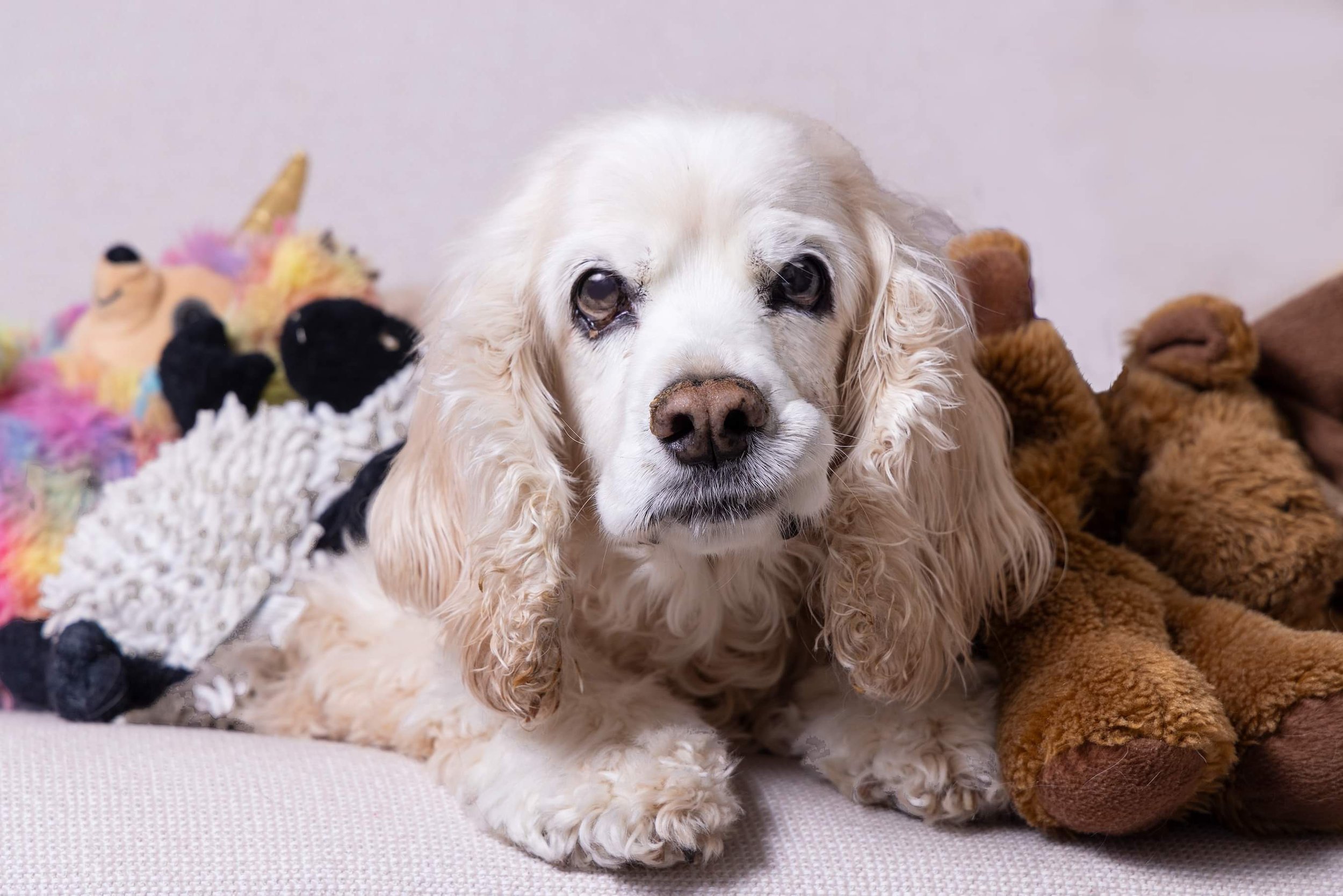
The picture is of one of the sweet dogs I photographed on her final days.