A 12 Step Plan for Helping Your Dog Adjust during a Move
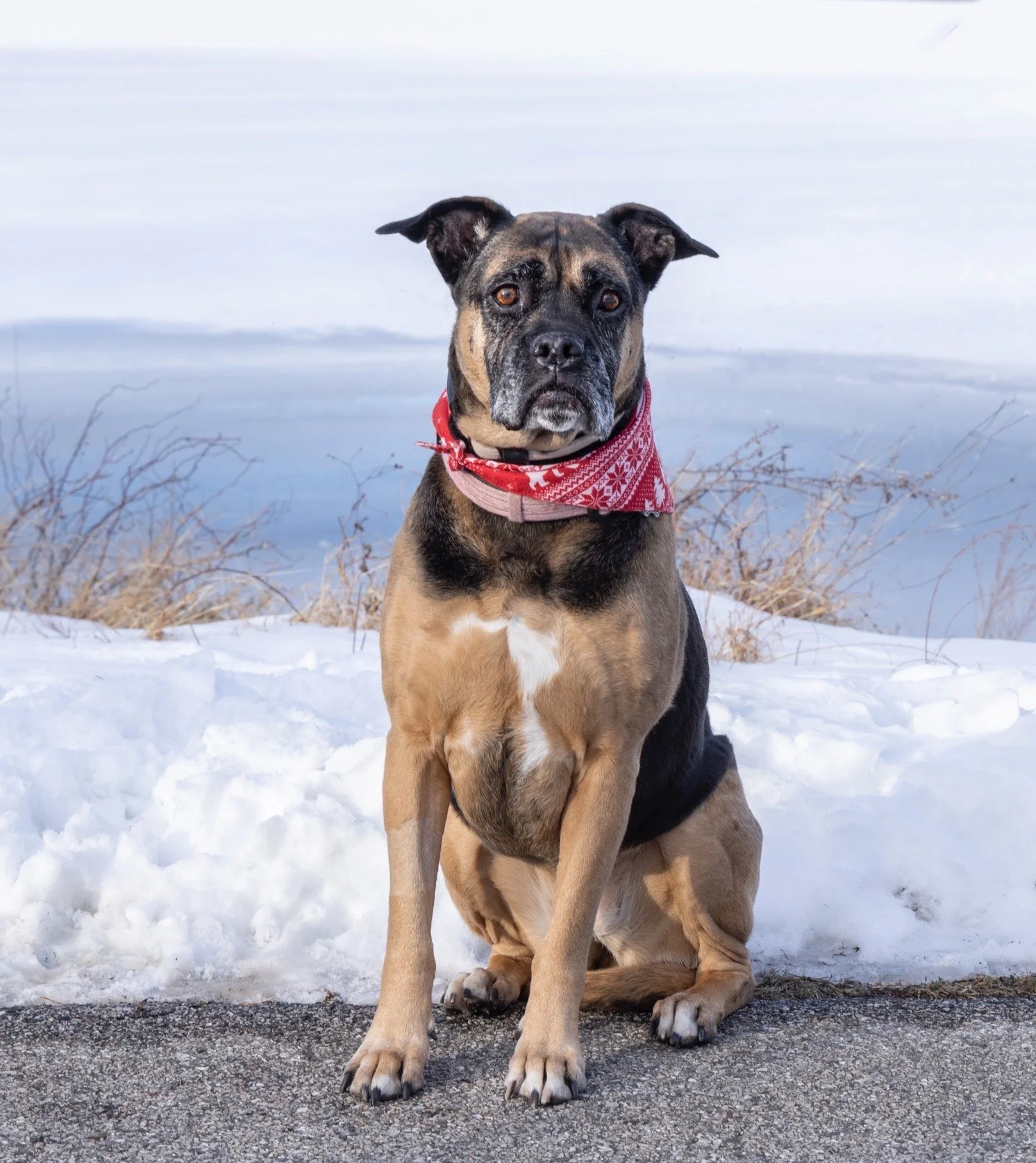
Moving to a new home is an exciting milestone, but for dogs, it can be a confusing and even stressful experience. Unlike humans, they don’t understand why their environment is suddenly changing, and the disruption to their routine can make them anxious. When I moved from Texas to Maryland, my dog was confused by the packing, the long trip, and the new home with a much smaller backyard that we had before. He was clearly stressed by it all, but adjusted very quickly after unpacking.
With a little preparation and patience, you can make the transition smooth for both you and your pup.
Here’s how to help your dog adjust to their new home with minimal stress.
Before the Move: Setting the Stage
1. Maintain Routine Amidst the Chaos
Dogs thrive on routine, so try to keep their daily schedule as normal as possible in the weeks leading up to the move. Stick to their usual feeding times, walks, and play sessions—even if you’re busy packing. You probably need a break too.
2. Get Them Comfortable with Packing Supplies
Seeing boxes and furniture being moved can be unsettling for dogs. Introduce packing materials early so they become familiar. Let them sniff the boxes and reward them with treats to create positive associations.
3. Keep Their Essentials Unchanged
Your dog’s bed, favorite toys, and food bowls should stay consistent. Avoid washing their bedding or toys right before the move—their familiar scent will help them feel more at ease in the new space. Bring the bed with the scent of home with you through the move and into the new house give the dog a sense of continuity and comfort. make sure you have vet records with you and your pets at current with all their vaccinations before you go.
4. Plan for Moving Day
If possible, arrange for your dog to stay with a trusted friend or at a doggy daycare on moving day. The commotion of movers and open doors can be overwhelming and increase the risk of escape. If you are using a moving company, the different people going in and out of your house and taking your things can be upsetting to your dog. If your dog must be present, keep them in a quiet, secure room with their comfort items.
During the Move: Keeping Things Calm
5. Transport Them Safely
Whether you’re moving across town or to another state, your dog should travel in a secure, well-ventilated crate or with a seatbelt harness in the car. There are some really great seatbelt harnesses now, and also boxes to raise up a small dog to window height securely. Pack a travel bag with food, treats, water, their leash, and comfort items for easy access. I have used CBD chews for dogs to help with anxiety created by strange surroundings and places.
6. Keep Their Anxiety in Check
Dogs pick up on our emotions, so stay calm and reassuring during the move. If your dog is prone to anxiety, talk to your vet about calming aids like pheromone sprays, anxiety wraps, or natural supplements.
After the Move: Helping Them Settle In
7. Create a Safe Space Right Away
Set up a designated area in your new home with their bed, crate, and favorite toys. Having familiar items in one spot will help them feel secure as they explore their new surroundings.
8. Stick to Their Routine
The sooner you get back to their normal schedule—mealtimes, walks, and playtime—the faster your dog will adjust. Dogs find comfort in predictability, so keeping things familiar will ease their transition.
9. Explore Together
Let your dog explore the new house at their own pace. Walk them around on a leash at first, especially if there are stairs, new floors, or different smells that could make them hesitant. My dog had to learn stairs for the first time when we came here. He soon learned to love my new place when we explored the nearby river trails, and walks through the woods quickly became his favorite thing.
10. Reintroduce Potty Training (Just in Case)
Even well-trained dogs may have accidents in a new home due to stress or unfamiliar scents. This happened to our dog who had refused to have a bowel movement for days while we made the car trip here. Be patient and reinforce positive bathroom habits with extra potty breaks and rewards. They quickly readjust. You might have some handy pet odor spray and cleaning materials ready.
11. Make the New Neighborhood Feel Like Home
Take your dog on short, positive walks around the new area. Let them sniff and explore, and be sure to bring treats to reward calm, confident behavior. Meeting friendly neighbors and dogs can also help them adjust faster.
12. Watch for Stress Signals
Every dog adjusts at their own pace. Watch for signs of stress like excessive panting, whining, hiding, or changes in appetite. If your dog seems particularly anxious, give them extra attention and reassurance. If issues persist, consult your vet for advice.
Moving is a big change for everyone, including your dog. But with thoughtful preparation, a little patience, and lots of love, your pup will soon feel at home in their new space. Before you know it, they’ll be snoozing on the couch like they’ve lived there forever!
Would you like to share your moving experience with your dog? Drop a comment below; we’d love to hear how you helped your pup settle in!